E472f Mixed tartaric and acetic acid esters of mono- and diglycerides: Halal or Haram?
Doubtful
A combined E472 ester used in industrial baking. E472f (Mixed tartaric and acetic acid esters of mono- and diglycerides) is doubtful.
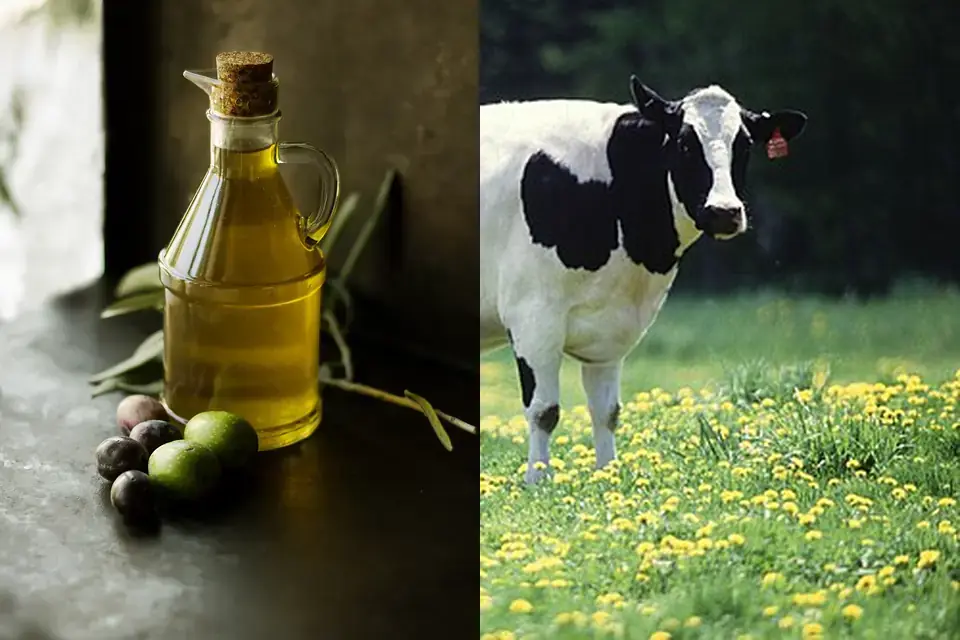
Why it is doubtful
It carries both questions of E472d at once: the fat source is undeclared, and the tartaric acid is typically a wine by-product.
Halal or not depends on what it is made from
E472f is Mushbooh: Halal when the fat is from plants or a Halal source and the tartaric acid is not from wine, not when the fat comes from pork.
| Made from | Verdict | Why |
|---|---|---|
| Plant oils | Halal | No animal involved |
| Fat from a Halal-slaughtered animal | Halal | Lawful animal, slaughtered correctly |
| Fat from an animal not slaughtered the Islamic way | Haram | Not slaughtered correctly (see the scholarly view: some schools accept it after chemical change) |
| Pork fat | Haram | Pork |
| Tartaric acid from wine sediment | Mushbooh | Scholars differ: some accept it as changed, others are cautious |
| Halal-certified product | Halal | A certifier checked both sources |
| Source not stated on the label | Mushbooh | European labels do not have to say which |
Scholarly view
Schools of law
Certification bodies
Fatwa councils, scholars and other sources
Only views with a published source are listed.
Where you meet it
Industrial bread and rolls, packaged baked goods.
What to do in the shop
Look for a product that names the source, says plant-based or vegan, or carries a Halal certificate. If nothing on the packet settles it, the manufacturer can tell you, and their answer is the only thing that turns E472f from a question into an answer.
Questions people ask
Is E472f Halal?
E472f (Mixed tartaric and acetic acid esters of mono- and diglycerides) is doubtful. It carries both questions of E472d at once: the fat source is undeclared, and the tartaric acid is typically a wine by-product.
How do I know if the E472f in a product is Halal?
Only the manufacturer can tell you which source they used, unless the packet says plant-based, vegan, or carries a Halal certificate.
Related additives
- E472 Esters of mono- and diglycerides · Doubtful
- E472a Acetic acid esters of mono- and diglycerides · Doubtful
- E472b Lactic acid esters of mono- and diglycerides · Doubtful
Check a product, not just a number
An additive's status describes the additive in general. What matters is the whole ingredient list on the packet in your hand.