E422 Glycerol (glycerine): Halal or Haram?
Doubtful
A sweet, syrupy liquid that keeps food moist. E422 Glycerol (glycerine) is doubtful. Also written glycerin.
Why it is doubtful
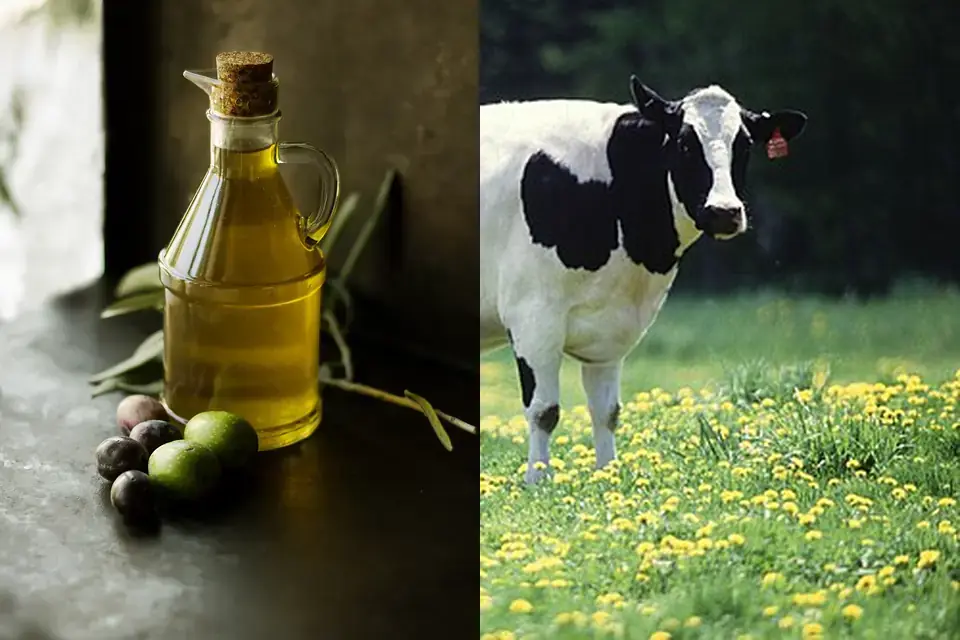
It is produced from plant oils, from animal fat, or synthetically, and the source is not declared.
Halal or not depends on what it is made from
E422 is Mushbooh: Halal when it comes from plants or a Halal source, not when it comes from pork.
| Made from | Verdict | Why |
|---|---|---|
| Plant oils | Halal | No animal involved |
| Made synthetically | Halal | No animal involved |
| Fat from a Halal-slaughtered animal | Halal | Lawful animal, slaughtered correctly |
| Fat from an animal not slaughtered the Islamic way | Haram | Not slaughtered correctly (see the scholarly view: some schools accept it after chemical change) |
| Pork fat | Haram | Pork |
| Halal-certified product | Halal | A certifier checked the source |
| Source not stated on the label | Mushbooh | European labels do not have to say which |
Scholarly view
Schools of law
Certification bodies
Fatwa councils, scholars and other sources
Only views with a published source are listed. Our app shows E422 as Mushbooh unless the label or the maker settles the source.
Where you meet it
Chewing gum, cake icing, soft sweets, toothpaste.
What to do in the shop
Look for a product that names the source, says plant-based or vegan, or carries a Halal certificate. If nothing on the packet settles it, the manufacturer can tell you, and their answer is the only thing that turns E422 from a question into an answer.
Questions people ask
Is E422 Halal?
E422 Glycerol (glycerine) is doubtful. It is produced from plant oils, from animal fat, or synthetically, and the source is not declared.
How do I know if the E422 in a product is Halal?
Only the manufacturer can tell you which source they used, unless the packet says plant-based, vegan, or carries a Halal certificate.
Products we checked that contain E422
Related additives
- E431 Polyoxyethylene stearate · Doubtful
- E432 Polysorbate 20 · Doubtful
- E433 Polysorbate 80 · Doubtful
Check a product, not just a number
An additive's status describes the additive in general. What matters is the whole ingredient list on the packet in your hand.